What Are Inlays And Onlays?
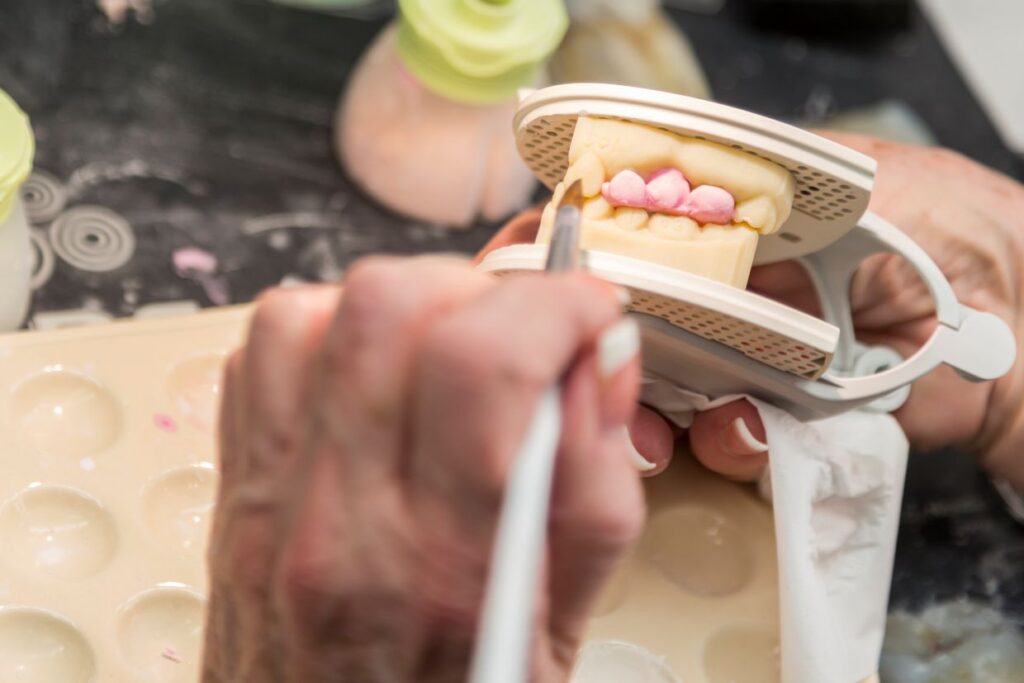
Inlays and onlays are custom restorations made to fit the damaged part of a tooth. They are often used for back teeth that handle chewing pressure.
An inlay fits within the grooves or center portion of the tooth. It may be recommended when damage is too large for a simple filling but does not extend over the tooth’s cusps.
An onlay covers a larger area and may extend over one or more cusps of the tooth. It may be recommended when the tooth needs additional support but does not need full crown coverage.
Dr. Chokshi will explain which type of restoration is appropriate based on how much tooth structure is affected and how the tooth functions when you bite and chew.
When An Inlay Or Onlay May Be Recommended
An inlay or onlay may be recommended when a tooth has moderate decay, a cracked or worn area, a large failing filling, or damage that requires stronger support than a standard filling can provide.
These restorations may also be considered when preserving more natural tooth structure is possible. If the tooth is too weak or damaged for an inlay or onlay, a crown may be the better choice. If the damage is smaller, a filling may be enough.
During your visit, Dr. Chokshi will evaluate the tooth, review any necessary imaging, and explain the reasoning behind the recommendation. Our team wants you to understand why a specific restoration is suggested before treatment begins.
Inlays And Onlays Compared With Fillings And Crowns
Many patients are familiar with fillings and crowns, but inlays and onlays sit between those two options. They are used when the tooth needs more support than a filling but does not need to be covered completely by a crown.
A filling is often used for smaller cavities or minor damage. An inlay or onlay may be used for moderate damage where a custom restoration can provide added strength. A crown may be recommended when the tooth is more extensively damaged, weakened, or at risk of fracture.
The right option depends on the tooth’s condition, how much healthy structure remains, and how much chewing pressure the tooth needs to handle.
What To Expect During Treatment
Your visit begins with an evaluation of the tooth and a discussion about your symptoms and goals. Dr. Chokshi may use digital X-rays, intraoral images, or other technology to evaluate the tooth and explain what she sees.
If an inlay or onlay is recommended, the damaged or decayed area is prepared and impressions or digital scans may be taken. The restoration is designed to fit the tooth carefully and restore proper function. Once placed, Dr. Chokshi will check the fit and bite to make sure the restoration feels comfortable.
Our team will explain the process before moving forward so you know what to expect at each step.
Caring For Inlays And Onlays
Inlays and onlays need regular care, just like natural teeth and other dental restorations. Brush and floss daily, keep up with dental hygiene visits, and avoid habits that can damage teeth or restorations, such as chewing ice or using teeth as tools.
During routine visits, Dr. Chokshi can check the restoration, the surrounding tooth structure, and the bite. If you notice sensitivity, rough edges, discomfort when biting, or a change in how the tooth feels, contact our office so we can evaluate it.
Good home care and routine professional visits help protect both the restoration and the natural tooth.
Schedule An Inlay Or Onlay Consultation In Winter Garden, FL
If you have a damaged tooth, a large filling, or a tooth that needs more support, Winter Garden Family and Cosmetic Dentist can help you understand your options. Call 407-654-9905 to schedule a visit with Dr. Chokshi and our team.