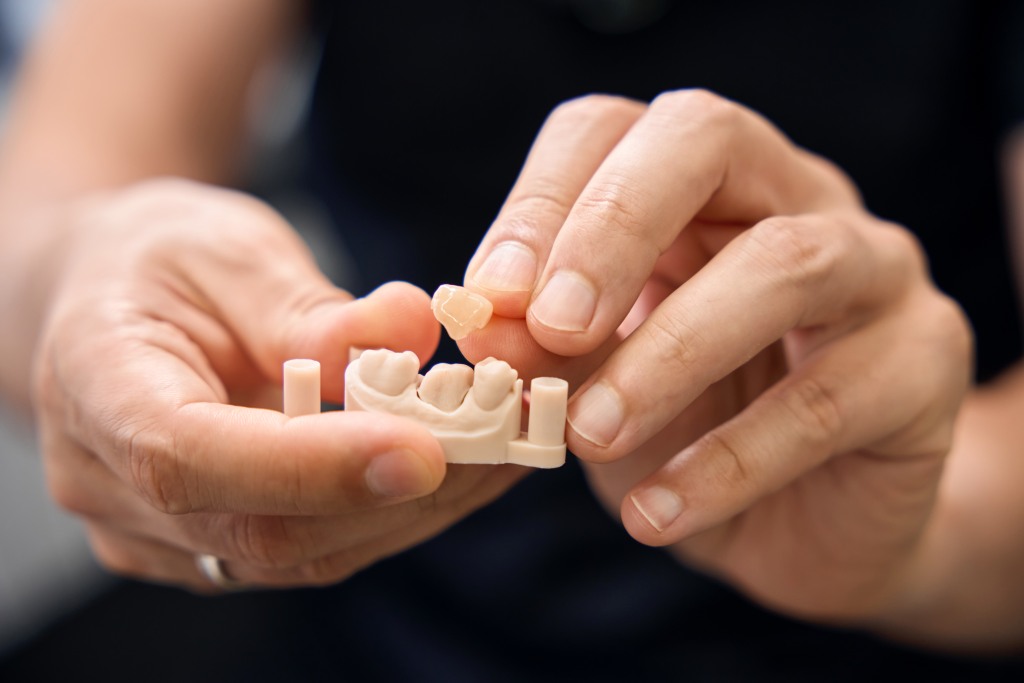
When A Dental Crown May Be Recommended
A crown may be recommended when a tooth needs more support than a filling, bonding, inlay, or onlay can provide. Because a crown covers the tooth, it can help protect weakened structure and reduce the risk of further damage.
Dental crowns may be used for teeth that are cracked, broken, severely worn, weakened by decay, or restored with large older fillings. A crown may also be used after root canal therapy or as the visible restoration attached to a dental implant.
Not every damaged tooth needs a crown. During your visit, Dr. Chokshi will examine the tooth, review any necessary imaging, and explain whether a crown or another restorative option makes the most sense.
What To Expect During The Crown Process
Your visit begins with an evaluation of the tooth and a conversation about your symptoms, concerns, and goals. Dr. Chokshi may use digital X-rays, intraoral images, or other dental technology to better understand the tooth and surrounding structures.
If a crown is recommended, the tooth is prepared so the restoration can fit properly. Impressions or digital scans may be taken to help create a crown designed for your bite and smile. Our team will explain each step so you know what to expect before treatment begins.
The final crown is shaped to restore comfortable chewing and blend with your surrounding teeth. Once placed, Dr. Chokshi will check the fit, bite, and appearance so the crown feels natural in your mouth.
Crowns Compared With Other Restorative Options
Dental crowns are one of several ways to restore a damaged tooth. The best option depends on how much healthy tooth structure remains, where the tooth is located, and how much chewing force it needs to handle.
A filling may be appropriate for smaller areas of decay or damage. An inlay or onlay may be recommended when the tooth needs more support than a filling but does not require full coverage. A crown may be the better choice when the tooth needs stronger protection.
If a tooth cannot be predictably restored, extraction and tooth replacement options may need to be discussed. Dr. Chokshi will help you understand the difference between these options so you can make an informed decision.
Caring For A Dental Crown
A dental crown is designed to protect a tooth, but the tooth and gums around it still need regular care. Brushing, flossing, and dental hygiene visits help keep the crown margins clean and support the health of the surrounding gum tissue.
It is also important to avoid habits that can damage crowns or natural teeth, such as chewing ice, biting fingernails, or using teeth as tools. If you clench or grind your teeth, let our team know so we can discuss whether additional protection may be helpful.
During routine visits, Dr. Chokshi will check your crown, bite, and surrounding teeth to make sure everything continues to function well.
Schedule A Dental Crown Consultation In Winter Garden, FL
If you have a damaged, weak, worn, or painful tooth, Winter Garden Family and Cosmetic Dentist can help you understand your restorative options. Call 407-654-9905 to schedule a visit with Dr. Chokshi and our team.