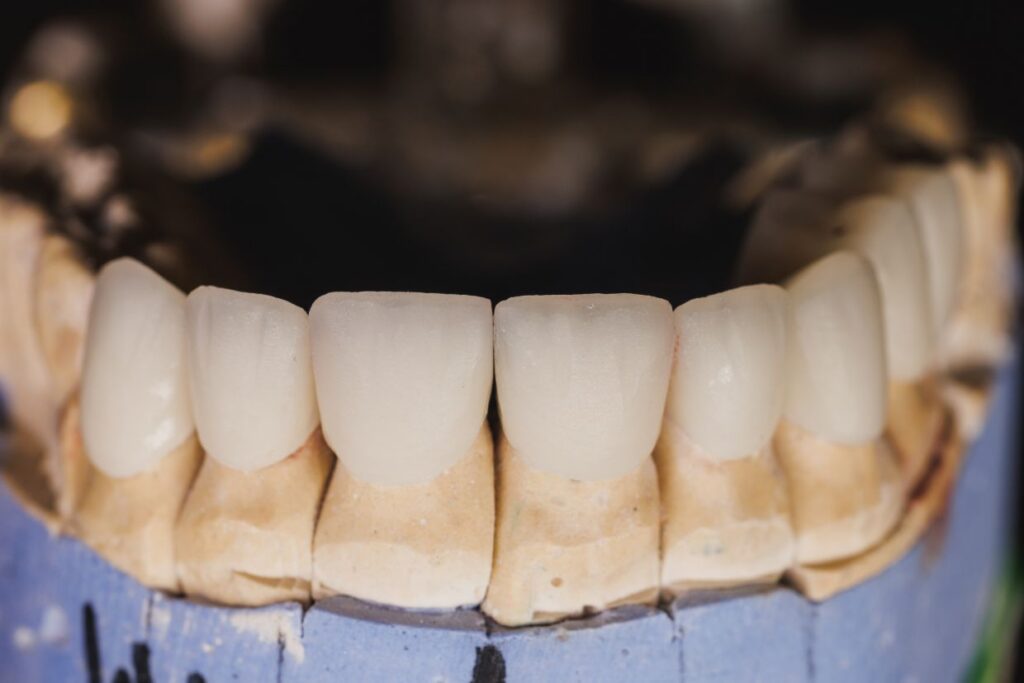
How A Dental Bridge Works
A dental bridge fills the space left by a missing tooth. Traditional bridges are usually supported by crowns placed on the teeth next to the gap. These supporting teeth hold the replacement tooth or teeth in place.
In some cases, bridges may also be supported by dental implants. The right type of bridge depends on the number of missing teeth, the health of nearby teeth, bone support, bite function, and your overall treatment goals.
Dr. Chokshi will examine your mouth, review any necessary digital X-rays, and talk with you about what type of bridge or replacement option may be appropriate.
When A Bridge May Be Recommended
A dental bridge may be recommended when you are missing one or more teeth and want a fixed replacement option that does not come in and out like a removable denture. Bridges can be especially helpful when the teeth near the gap also need crowns or additional support.
A bridge may be considered if a missing tooth is affecting chewing, speaking, smile appearance, or bite balance. It may also be part of a treatment plan after a tooth extraction.
Not every patient is a candidate for a traditional bridge. If the neighboring teeth are healthy and do not need crowns, Dr. Chokshi may also discuss other options, such as a dental implant or partial denture.
Bridges Compared With Other Tooth Replacement Options
Dental bridges are one of several ways to replace missing teeth. Understanding the differences can help you make a more informed decision.
A bridge is fixed in place and supported by nearby teeth or implants. A partial denture is removable and may replace multiple missing teeth in different areas of the mouth. A dental implant replaces the missing tooth root and can support a crown, bridge, or denture depending on the treatment plan.
Each option has benefits and limitations. Dr. Chokshi will help you compare comfort, maintenance, oral health needs, and long-term goals before recommending a treatment path.
What To Expect During The Bridge Process
Your bridge consultation begins with an evaluation of the missing tooth area and the surrounding teeth. Dr. Chokshi will check the health of the teeth that may support the bridge, review your bite, and determine whether the gums and bone provide a stable foundation.
If a traditional bridge is recommended, the supporting teeth are prepared for crowns. Impressions or digital scans may be taken so the bridge can be designed to fit your bite and blend with your smile. Our team will explain the process, timing, and what to expect at each visit.
When the bridge is placed, Dr. Chokshi will check the fit, bite, and appearance. The goal is to create a restoration that feels comfortable and supports everyday function.
Caring For A Dental Bridge
A bridge needs daily care to protect the supporting teeth and gums around it. Brushing, flossing, and cleaning under the bridge are important for preventing buildup and maintaining oral health.
Our team can show you how to clean around your bridge using floss threaders, interdental brushes, or other tools if needed. Routine dental hygiene visits also allow Dr. Chokshi to monitor the bridge, supporting teeth, and surrounding gums.
With proper care and regular dental visits, a bridge can continue supporting your smile for years.
Schedule A Dental Bridge Consultation In Winter Garden, FL
If you are missing one or more teeth, Winter Garden Family and Cosmetic Dentist can help you explore your replacement options. Call 407-654-9905 to schedule a visit with Dr. Chokshi and our team.